



Dr. Fazeela Abbasi masterfully blends the art of beauty with the science of skincare, providing treatments that enhance your natural elegance with precision and care.
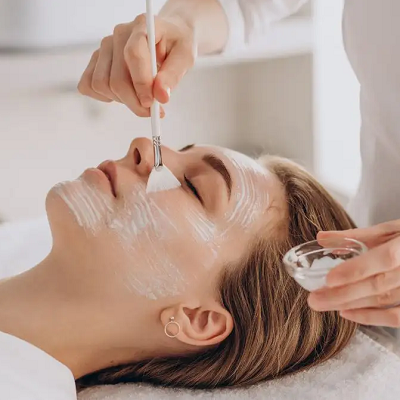
As someone who has spent years in dermatology clinics and collaborated with leading experts, I’ve noticed an exciting shift in skincare trends.
In 2026, regenerative skincare is predicted to move from niche curiosity to mainstream obsession.
But what exactly is regenerative skincare, and why are dermatologists, especially leading names like Dr Fazeela Abbasi, one of the most respected Dermatologists in Dubai, so bullish about it?
Understanding Regenerative Skincare:
Regenerative skincare focuses on repairing, rejuvenating, and even stimulating the skin’s natural ability to heal itself. Unlike traditional skincare that mostly masks signs of aging or targets symptoms, regenerative approaches aim to restore skin health at a cellular level.
Some key techniques include:
- Stem cell-based serums: Derived from plant or human stem cells to boost collagen production.
- Peptide complexes: Signaling molecules that encourage tissue repair and elasticity.
- Growth factor treatments: Promote skin renewal and healing after trauma, sun exposure, or aging.
- Advanced microneedling & PRP (Platelet-Rich Plasma): Often performed in clinics for deeper skin rejuvenation.
During my collaboration with Dr Fazeela Abbasi, I’ve seen firsthand how personalized regenerative treatments can transform patients’ skin over a few months—without aggressive procedures.
Why 2026 is the Year for Regenerative Skincare?
Dermatologists in Dubai and globally are pointing to a few major reasons:
- Scientific breakthroughs:
Research in stem cells, peptides, and growth factors has accelerated. New formulations are now safer, more effective, and affordable for regular use. - Consumer awareness:
People no longer just want superficial fixes; they want long-term results that work at a cellular level. Regenerative skincare appeals to those who are willing to invest in skin health rather than temporary beauty hacks. - Rise of minimally invasive procedures:
With PRP, microneedling, and regenerative serums becoming more accessible in clinics across Dubai, even patients hesitant about cosmetic surgery are exploring regenerative solutions. - Environmental and lifestyle factors:
Pollution, UV exposure, and stress accelerate skin aging. Dermatologists, including Dr Fazeela Abbasi, are seeing more patients seeking proactive measures, not reactive ones.
Insights from Dubai’s Top Dermatologists:
Visiting a dermatologist in Dubai today often means being introduced to a hybrid approach: combining clinical procedures with advanced topical treatments. Experts, including Dr Fazeela Abbasi, the best female dermatologist in Dubai, emphasize these principles:
- Start early: Younger patients benefit from treatments that support natural skin regeneration.
- Tailor treatments: Not all serums or microneedling techniques work for every skin type.
- Combine science with lifestyle: Nutrition, hydration, and sun protection are essential alongside regenerative therapies.
These insights are often missing from online articles that skim the surface of “anti-aging” advice. Many competitors fail to explain the clinical reasoning behind regenerative choices or the importance of personalized plans.
How to Incorporate Regenerative Skincare in Your Routine?
Even without visiting a clinic immediately, you can start incorporating regenerative principles into your routine:
- Peptide serums: Apply daily to support collagen and skin repair.
- Antioxidant-rich creams: Combat environmental stressors.
- Gentle exfoliation: Helps your skin absorb regenerative ingredients more effectively.
- Consultation with a dermatologist: Personalized guidance ensures you’re not wasting money on ineffective treatments.
I’ve personally recommended that patients consult Dr Fazeela Abbasi when starting advanced regenerative regimens. Her experience ensures treatments are evidence-based and suited to individual needs.
FAQ’s About Regenerative Skincare:
Q: Is regenerative skincare suitable for all skin types?
A: Generally, yes. Treatments like peptide serums and antioxidant creams are safe for most skin types, but more intensive procedures like PRP should be evaluated by a dermatologist in Dubai for safety and effectiveness.
Q: How soon can results be seen?
A: Topical serums may show subtle improvements in 4–6 weeks, while clinical procedures often require multiple sessions over 2–3 months. Consistency is key.
Q: Can regenerative skincare replace cosmetic surgery?
A: Not entirely. While it can significantly slow aging and repair damage, surgical interventions may still be necessary for dramatic structural changes. The real benefit is that regenerative treatments can complement less invasive approaches.
Q: Are these treatments safe?
A: When performed under expert supervision, they are generally safe. Clinics like Dr Fazeela Abbasi’s prioritize patient safety with evidence-backed protocols.
Book Consultation Now!
Why Dermatologists Are Predicting a Rise in Regenerative Skincare in 2026 isn’t just hype; it’s rooted in science, patient demand, and evolving dermatology practices. Experts, including Dr Fazeela Abbasi, are focusing on the skin’s natural repair mechanisms rather than just covering up signs of aging, redefining what healthy, youthful skin truly looks like.
From my experience working alongside experts like Dr. Fazeela Abbasi, one of the Best Dermatologists in Dubai Jumeriah, the most exciting part is seeing patients regain confidence, not just flawless skin, through treatments that feel natural and sustainable.
Regenerative skincare isn’t a fleeting trend; it’s the future of dermatology. If you’re curious, starting with a consultation, personalized plan, and the right combination of science-backed products can make a world of difference.