



Dr. Fazeela Abbasi masterfully blends the art of beauty with the science of skincare, providing treatments that enhance your natural elegance with precision and care.
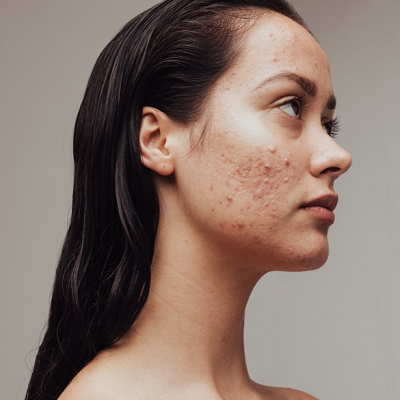
If you’ve been struggling with hormonal acne, you’re not alone. According to Dr. Fazela Abbasi, one of the best and most famous dermatologists in Dubai, understanding the root hormonal triggers is key to effectively treating and preventing breakouts. Hormonal acne isn’t just about skincare it’s about balancing your hormones, using the right treatments, and making lifestyle adjustments that support clear, healthy skin.
What Is Hormonal Acne?
Hormonal acne is a type of acne that is caused by fluctuations in hormones, especially androgens, which increase oil production in the skin. Unlike regular acne, hormonal acne often shows up on the jawline, chin, and lower cheeks. While it’s most common among teenagers, women during their menstrual cycle, pregnancy, or menopause, and men can also experience it.
Hormonal acne is often deeper, more painful, and can be more persistent than other types of acne. Understanding why it happens is the first step toward effective treatment.
Common Causes of Hormonal Acne:
Here are the main triggers that Dr. Fazela Abbasi highlights for hormonal acne:
- Menstrual Cycle Fluctuations: Many women notice flare-ups a week before their period due to hormone changes.
- Stress: Elevated cortisol levels can increase oil production, worsening breakouts.
- Polycystic Ovary Syndrome (PCOS): Hormonal imbalances associated with PCOS often lead to stubborn acne.
- Lifestyle Factors: Poor diet, lack of sleep, and environmental stress can aggravate hormonal acne.
Understanding the cause of your acne helps in choosing the most effective treatment and preventive strategies.
Effective Treatments for Hormonal Acne:
Dr. Fazela Abbasi recommends a combination of medical treatments and lifestyle adjustments for long-term results:
1. Topical Treatments:
Prescription-strength retinoids, benzoyl peroxide, and hormonal creams can help reduce inflammation, unclog pores, and prevent new breakouts.
2. Oral Medications:
For persistent acne, oral treatments like birth control pills or anti-androgen medications may help regulate hormone levels and reduce acne flare-ups.
3. Professional Procedures:
Procedures like chemical peels, laser therapy, and microneedling can improve skin texture, reduce inflammation, and minimize acne scars.
4. Lifestyle Adjustments:
- Follow a low-glycemic diet to prevent blood sugar spikes that trigger oil production.
- Maintain stress management techniques like meditation or yoga.
- Stick to a consistent skincare routine that includes gentle cleansing and hydration.
Tips to Prevent Hormonal Acne:
Prevention is just as important as treatment. Dr. Fazela Abbasi suggests these practical tips:
- Wash your face twice daily with a gentle cleanser.
- Avoid touching or picking your face to prevent bacterial spread.
- Track your menstrual cycle to anticipate flare-ups.
- Consult a qualified dermatologist for personalized treatment plans.
Why Consulting a Dermatologist Matters?
Hormonal acne can be stubborn and, if untreated, may lead to scarring. A dermatologist like Dr. Fazela Abbasi in Dubai can accurately diagnose the underlying cause and provide a treatment plan tailored to your skin type and hormonal profile. Early intervention ensures long-term skin health and reduces the risk of permanent damage.
Book a Consultation with Dr. Fazela Abbasi:
Take the first step toward clear, healthy skin by booking a consultation with Dr. Fazela Abbasi, one of the top dermatologists in Dubai. During your personalized session, she will assess your skin, identify the hormonal triggers behind your acne, and create a tailored treatment plan that delivers real results. Don’t let hormonal acne affect your confidence schedule your appointment today and start your journey to smoother, healthier skin.